
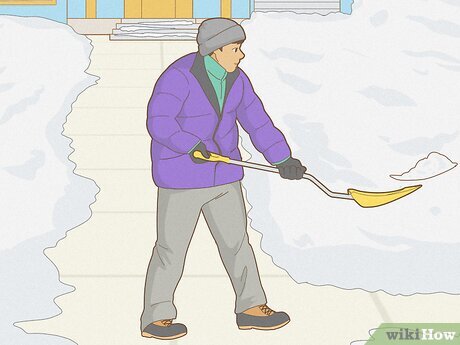
If your driveway snow removal has turned into a winter workout and your body is paying the price, you’re not alone. Each snowfall brings a rise in aches, strains, and overuse injuries—most commonly from repetitive bending, lifting, pushing, and twisting in cold conditions. Snow shoveling may seem simple, but it places significant stress on the body when done repeatedly or without proper preparation.
The good news? You don’t have to accept soreness as the cost of a clear driveway. A combination of short-term pain management strategies and long-term strengthening and ergonomic improvements can help reduce discomfort, improve movement, and make snow clearing far more manageable.

Why Snow Clearing Causes Pain
Snow removal challenges the body in several ways:
- Repetitive awkward movements
- Heavy, uneven loads
- Cold muscles that are less flexible
- Fatigue from prolonged effort
Even active individuals can experience pain if their bodies aren’t conditioned for these demands. Athletic therapy focuses on helping the body adapt safely and efficiently.
Short-Term Relief: Restore Motion and Reduce Stiffness
Gentle Stretching
Controlled stretching before and after snow clearing can:
- Improve mobility
- Reduce tension
- Prepare the body for movement or aid recovery
Stretching should feel comfortable—not forced or painful.
Self-Massage and Tissue Work
Self-massage with foam rollers, balls, or other tools can:
- Relieve tightness
- Improve circulation
- Reduce post-activity stiffness
This is especially helpful after prolonged snow clearing or when muscles feel sore.
Long-Term Solutions: Build a Resilient Body
Strengthening for Daily Tasks
Snow clearing requires coordination, stability, and endurance. Strengthening programs focus on:
- Core and overall stability
- Enhancing load tolerance
- Reducing reliance on overworked areas
This helps distribute effort evenly and lowers injury risk.
Ergonomics and Movement Efficiency
Learning better movement strategies—like proper positioning, pacing, and load management—can significantly reduce strain during repetitive tasks.
Putting It All Together
Managing the physical demands of winter doesn’t have to mean constant soreness. Combining stretching, self-massage, strengthening, and ergonomic strategies can make a noticeable difference in how your body handles repetitive tasks.
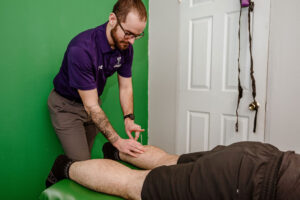
For guidance, Tristan Hannah, an Athletic Therapist and Massage Therapist with experience supporting individuals exposed to high-demand, repetitive movement, can provide insight on building strength, improving movement patterns, and reducing injury risk. These approaches help keep your body resilient, functional, and ready for whatever the season—and the driveway—throws your way.